
Hackathon Mode. On.
Launch Your Best Idea Yet!
Hackathon 2025
This event was conducted 100% virtually and offered at no cost to participants ages 13–18. Attendees collaborated with artificial intelligence, explored innovative thinking beyond its use, learned foundational technologies, strengthened teamwork skills, and developed sustainability-focused solutions. The event featured national participation and international partners.
Participants were invited to transform code into meaningful change.
What Participants Experienced
AI in the Loop: Participants utilized artificial intelligence as a collaborative tool rather than a replacement.
Technology × Impact: Teams designed solutions addressing sustainable business practices.
Inclusive Skill Levels: The event welcomed participants ranging from beginners to advanced practitioners.
Teaming Structure
Participants were assigned to teams of four to encourage diverse collaboration. Pre-formed teams were required to include four members; any remaining openings were filled by the organizers.
Since 2015
Originally launched as Codeathon, the event evolved into Hackathon, representing a long-standing commitment to creativity, problem-solving, and the development of future-ready skills.
Online Training Sessions: Training was conducted on Mondays, Wednesdays, and Saturdays from 6:30–8:30 PM (EST), spanning November 3 through November 22, 2025.
Competition Weekends: The competition took place over two weekends: December 5–7 and December 12–14, 2025.
Mentorship That Matters
Guided by industry mentors, students build portfolio-ready work, collaborate across borders, gain exposure to technology career pathways, and develop the skills and confidence to lead with purpose.
What Participants Built
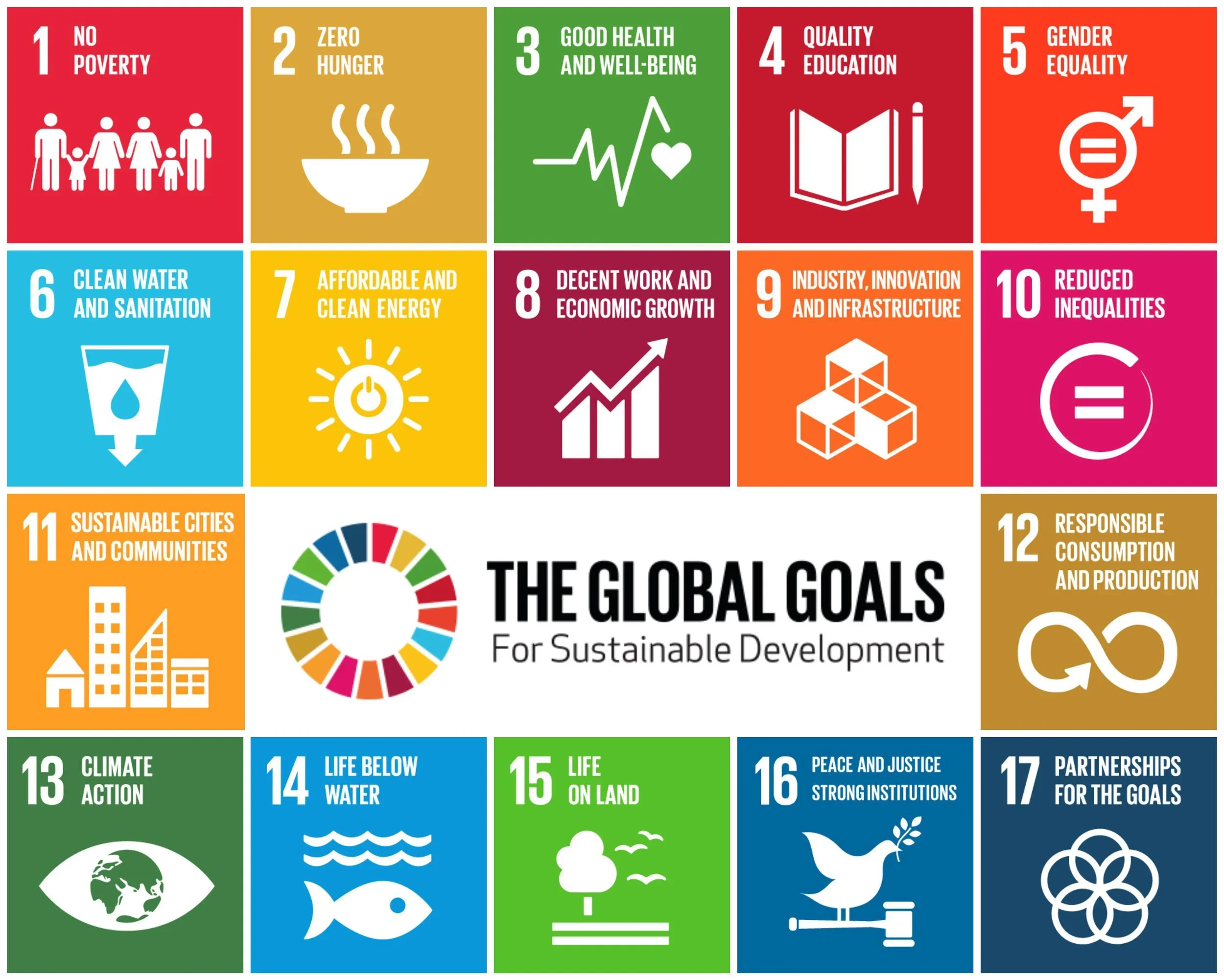
Students collaborated in teams to design technology-enabled business concepts aligned with the United Nations Sustainable Development Goals. Each team developed a website addressing a real-world social challenge while cultivating essential 21st-century skills, including collaboration, creativity, problem-solving, online learning, and social entrepreneurship.
Prizes
A total prize pool of $1,000 was awarded to top-performing teams.
Meet Our Instructors
-
Chris Gomez
Senior Software Engineer, Freedom Pay
Level I Instructor
-

Kerry Shots
Group Product Manager, Adobe
Level II Instructor
-
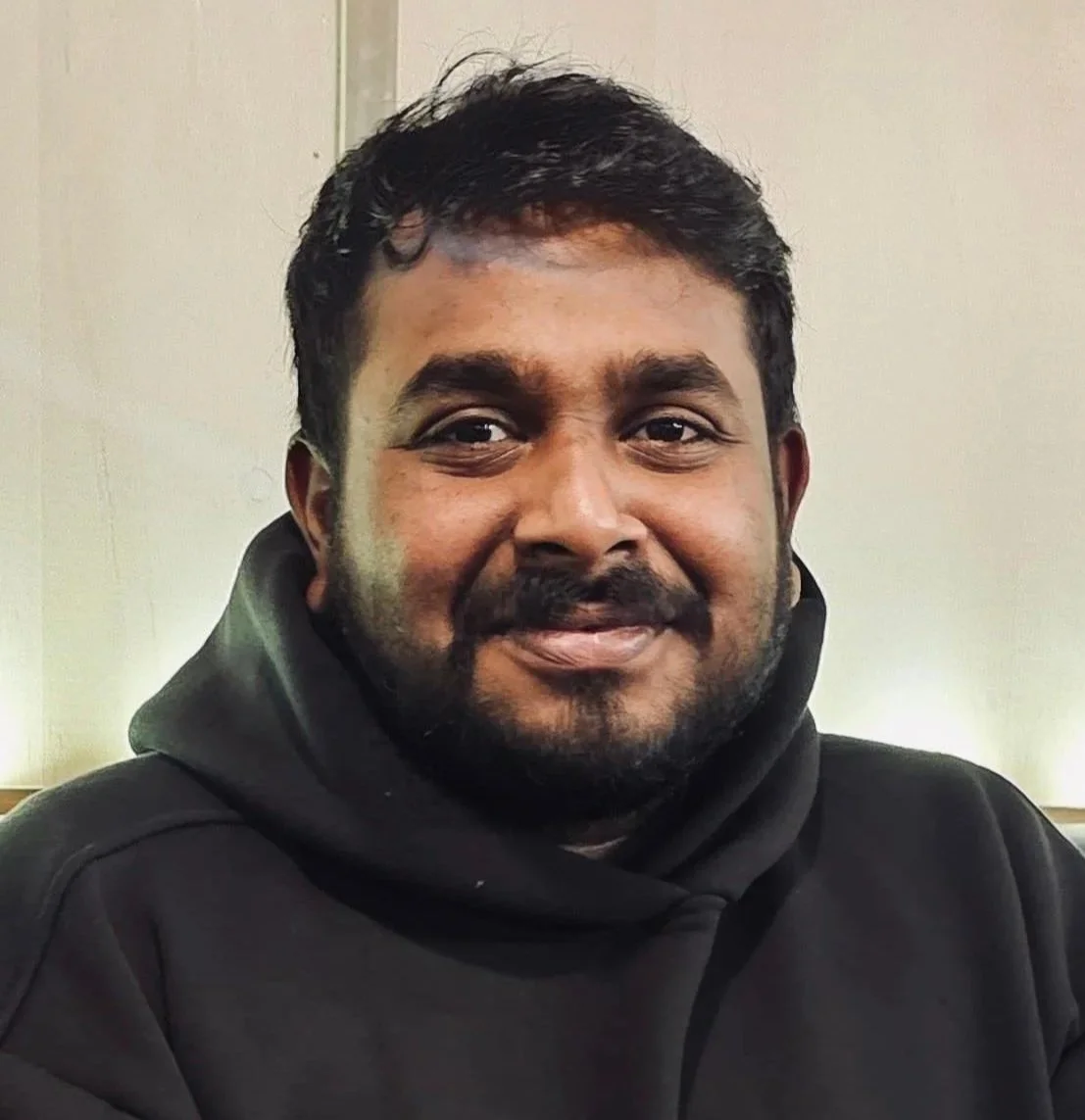
Sai Krishna Gunda
Senior Software Engineer, Walmart Global
Level III Instructor
-

Dr. Sougata Bhattacharya
St. Xavier's School, Burdwan, India
Level I Instructor
HUGE THANKS TO OUR HACKATHON SPONSORS & PARTNERS!



Winners (US Hackathon)
First Place Winners: BreatheSpace
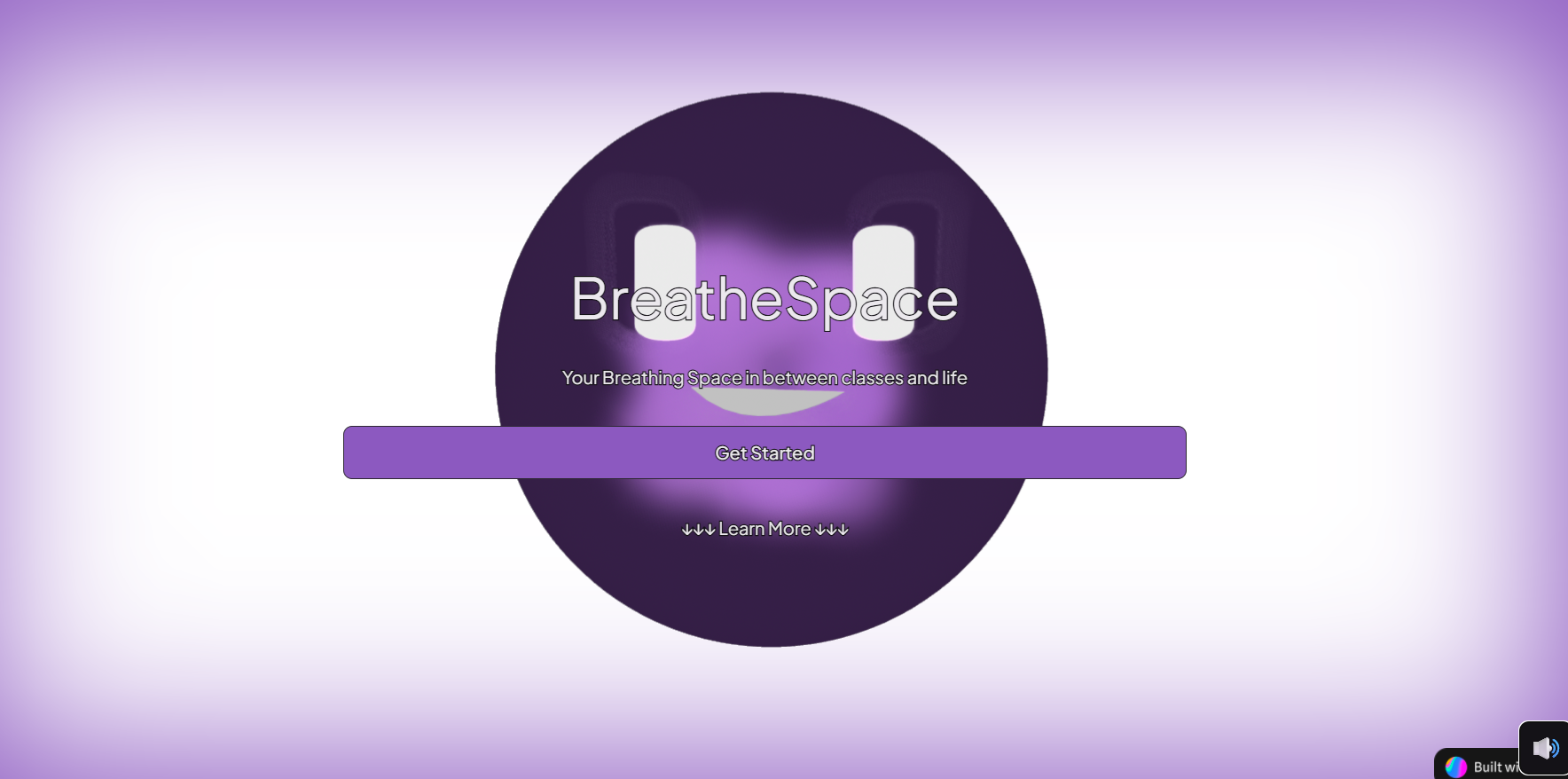
Students: David Aje, Ashley Hassell, Mary Akanki, Mircea Savan Bucurestian
This team won first place for addressing student mental health with an accessible, student-built solution. Their prototype offers instant, free support through AI-powered check-ins, journaling, and crisis resources, tackling long counselling waitlists and high therapy costs. Using modern web technologies, they created a clean, intuitive, and visually appealing website aligned with global goals for health and education.
Second Place Winners: PathMatch
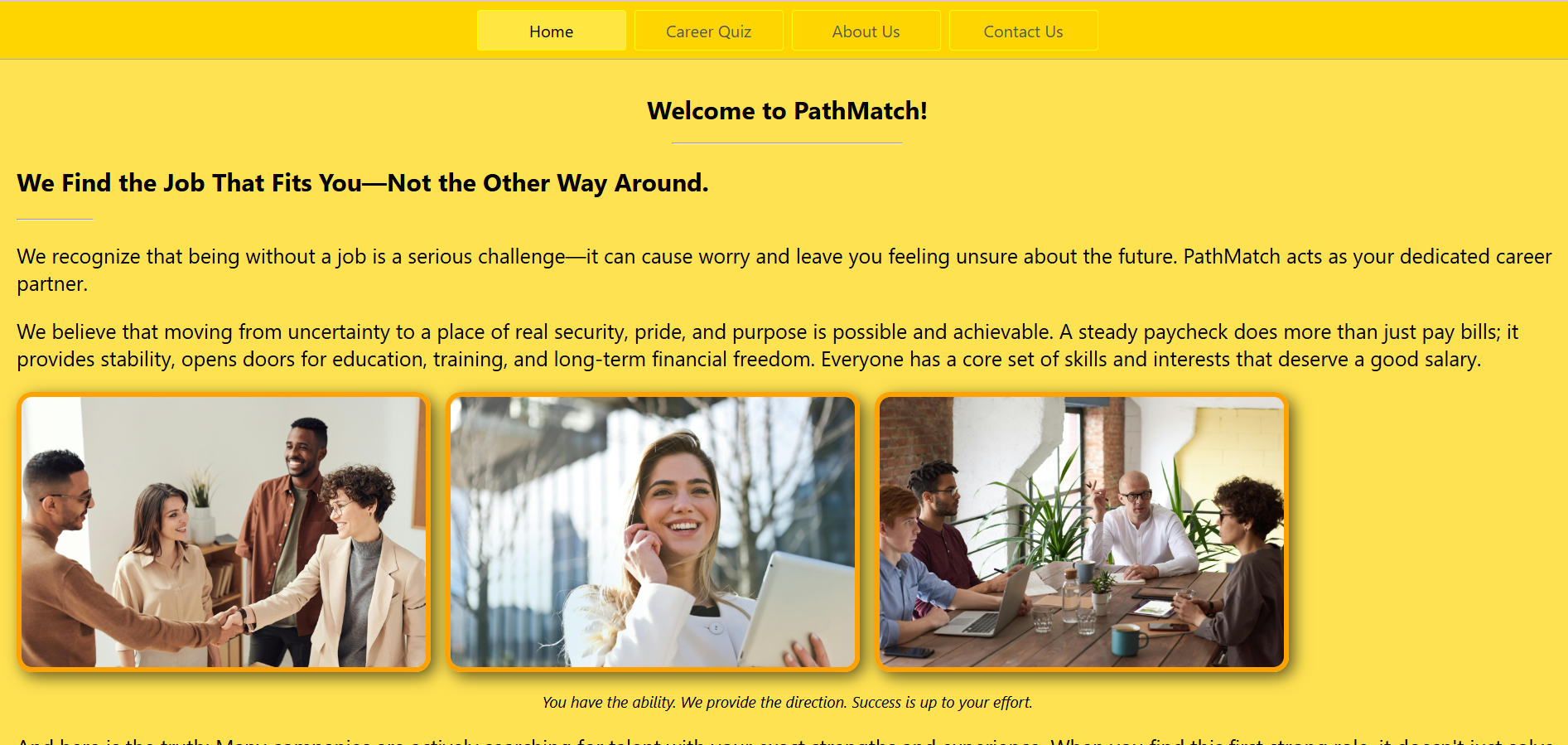
Students: Jayden Abraham, Violet Cole, Marleny Rivera, Akshara Harkar
This team created a career-matching platform focused on helping job seekers move from uncertainty to stability and purpose. Their solution uses a quick, easy-to-use aptitude assessment to identify individual strengths and match users with stable, well-paying roles in real demand. By prioritizing clarity and accessibility, they provide direct guidance and confidence to help users stop struggling and start building long-term career success.
Third Place Winners: RecycleRight
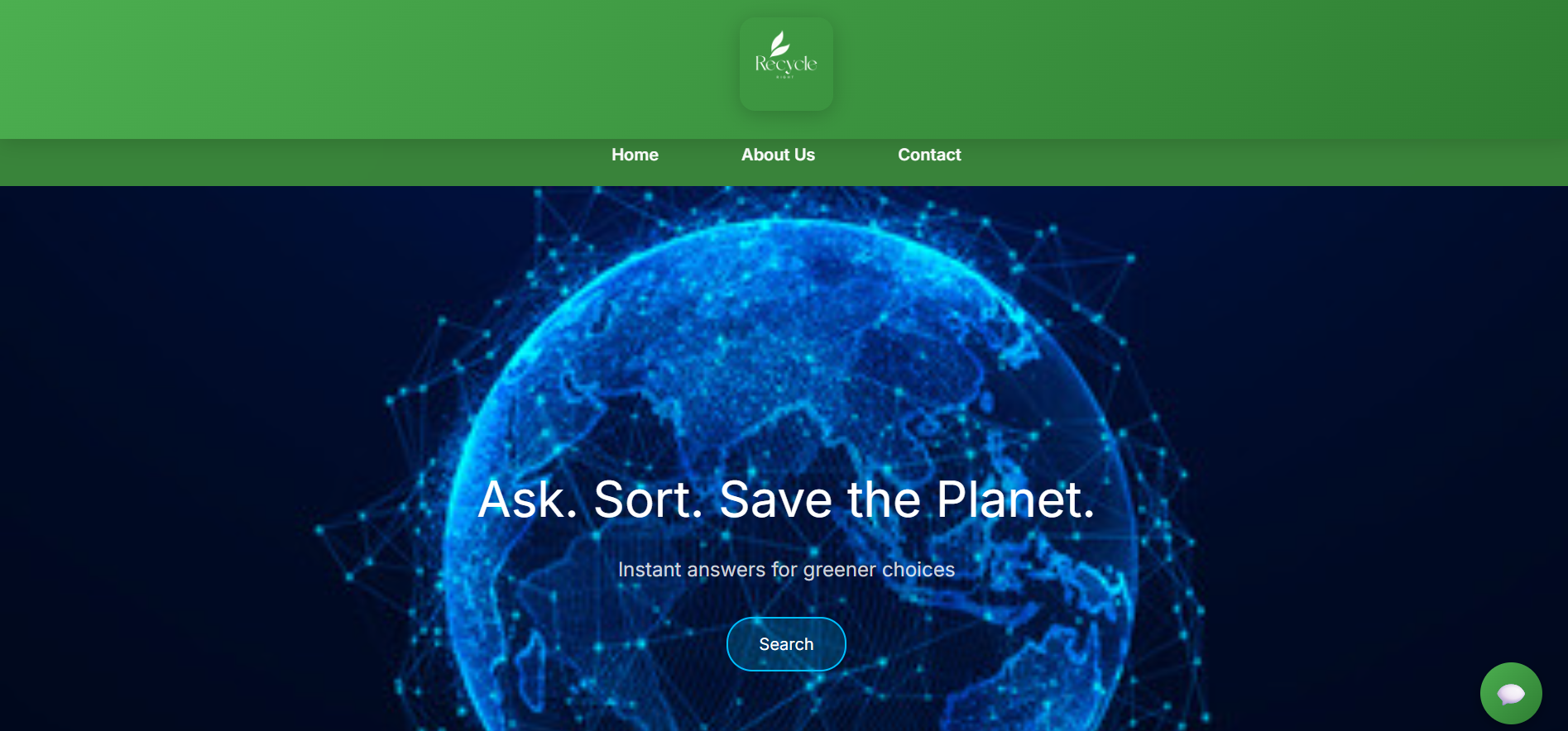
Students: Sarang Menon, Jacob Madrid, Jessica Tu, Hazim Mohammed
This team developed a sustainability-focused solution to reduce recyclable waste ending up in landfills. Their platform simplifies recycling by helping users correctly identify materials and understand proper disposal methods. By making recycling guidance clear and approachable, they empower individuals to adopt more sustainable everyday habits.
Winners (IN Hackathon)
First Place Winners:
FoodSwap
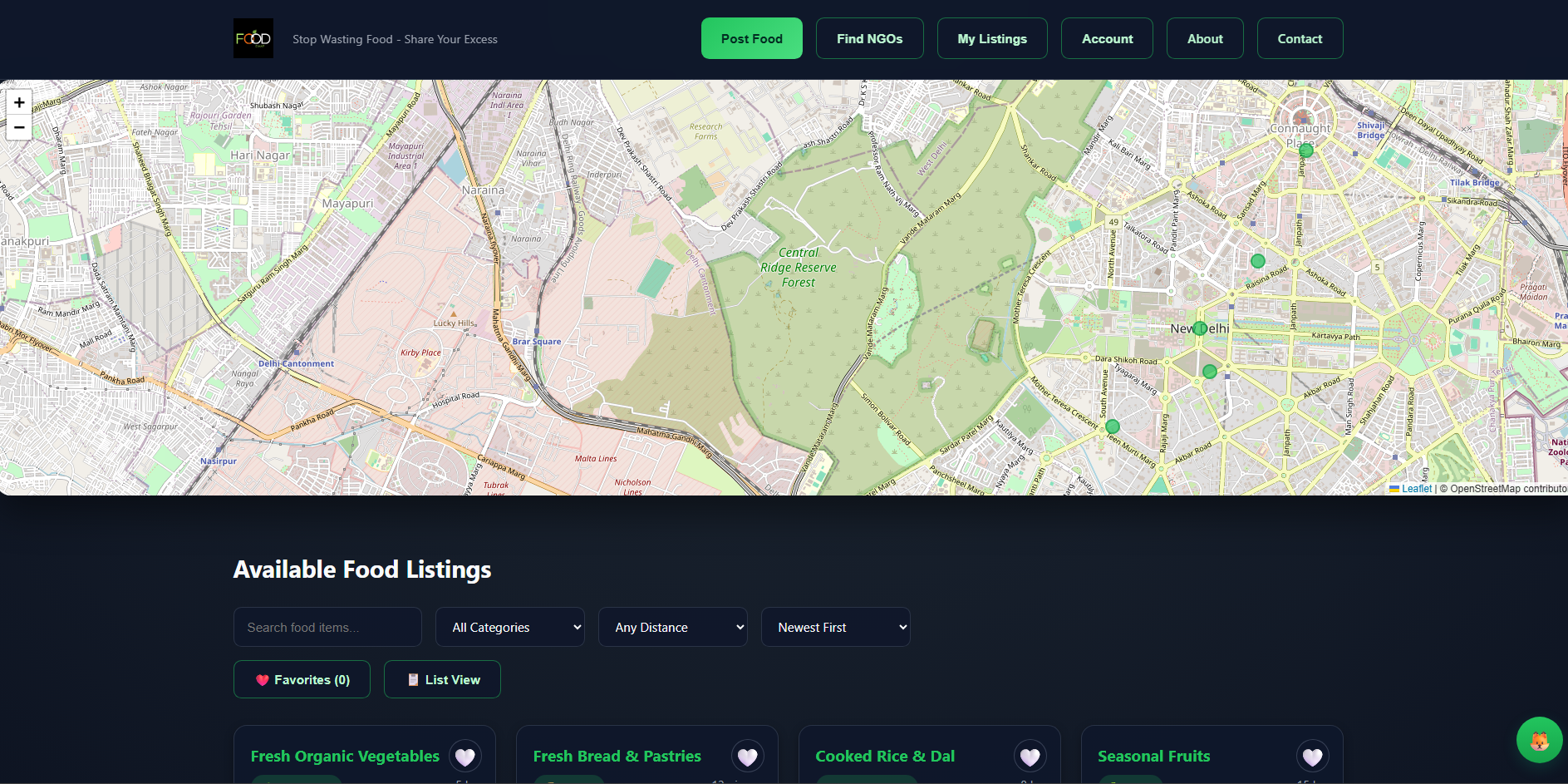
Students: Riddwiman Mondal, Deeptarka Mandal, Parnabha Das, Arin Dan
This team developed a hyperlocal food-sharing platform that addresses food waste while supporting communities facing food insecurity. Their solution connects individuals, restaurants, and businesses with excess food to nearby NGOs and community members through real-time, location-based listings. By combining verified pickups, expiry tracking, and an AI-powered food preservation assistant, they make responsible food redistribution simple, efficient, and accessible—helping turn surplus into meaningful local impact.
Second Place Winners:
Aqua Drop
Students: Moses Alfred, Oliva Mukherjee, Sanatan Mandal, Nabasrita Saha
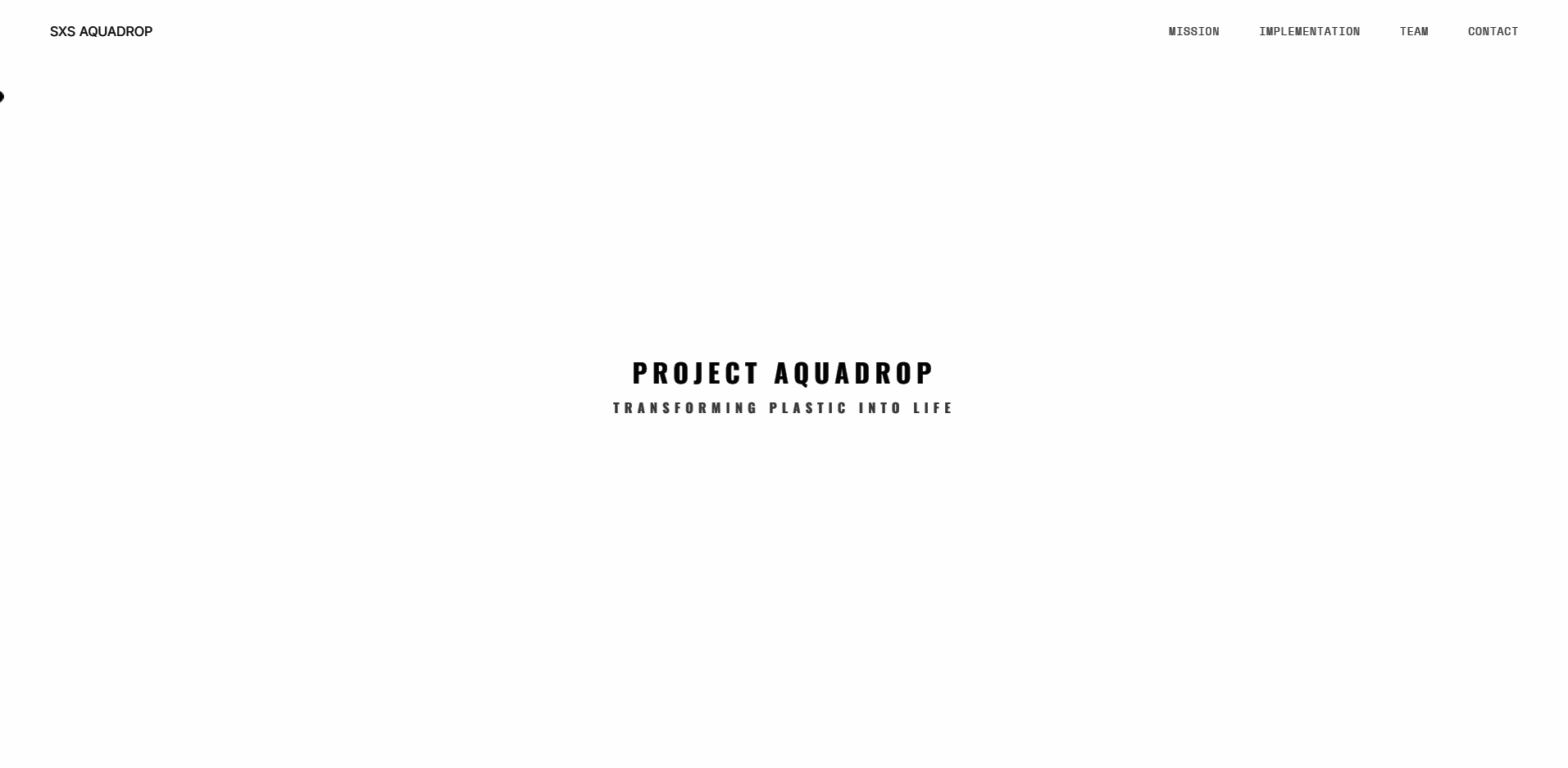
This team designed a zero-cost irrigation system that tackles freshwater scarcity by rethinking how water reaches plant roots. Using discarded PET bottles and the principles of capillary action, their solution delivers water directly to the root zone only when soil moisture drops—minimizing waste and maximizing efficiency. Through lab validation and real-world deployment in school gardens, they demonstrate a scalable, sustainable approach aligned with SDG 6, with clear potential to empower farmers facing increasing water stress.
Third Place Winners:
Mission Zero Hunger
Students: Aditya Nandi, Soumak Mukherjee, Devasmit Tewari, Ayush Roy
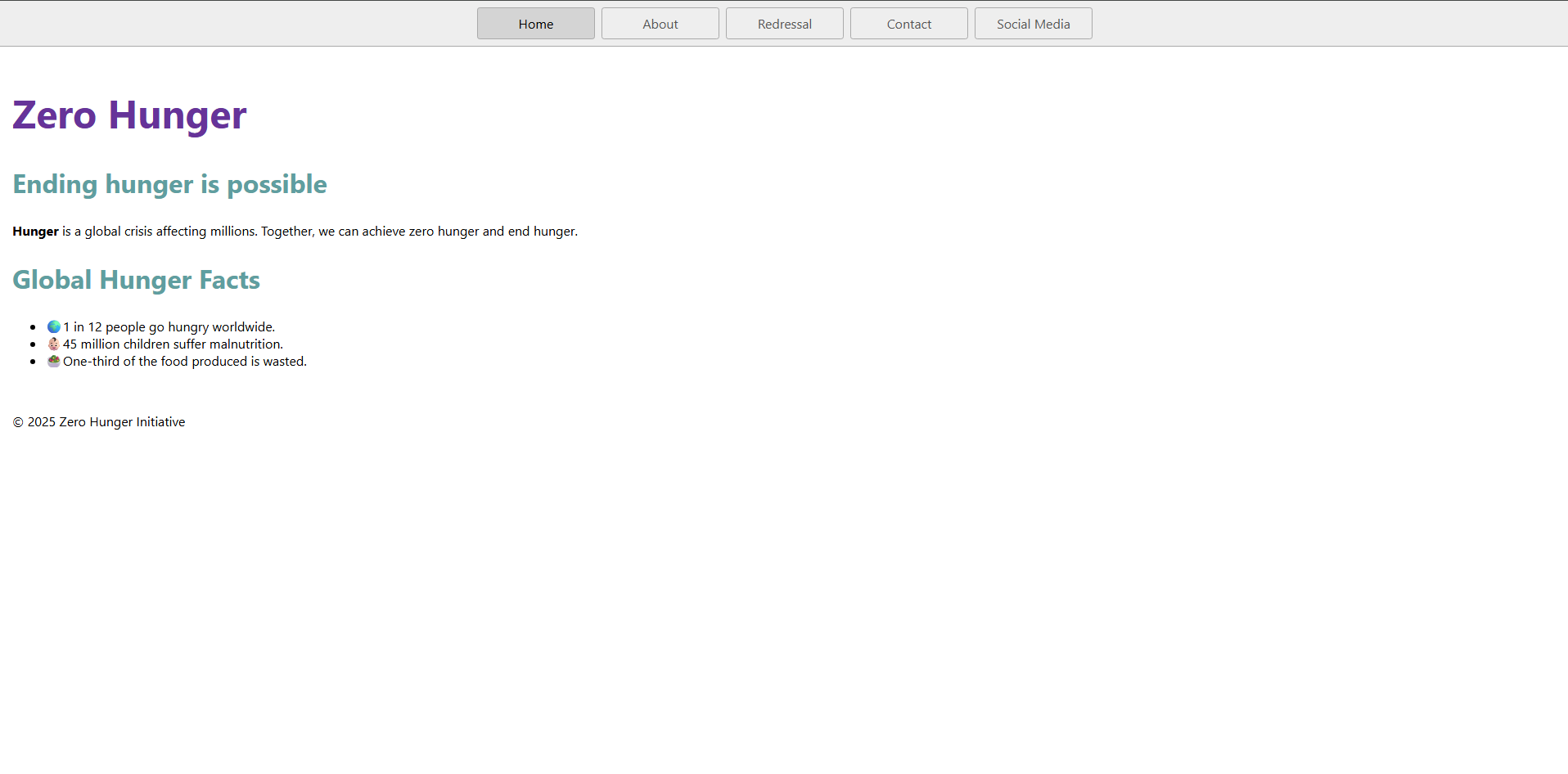
This team focused on the global challenge of hunger by highlighting its root causes, far-reaching impacts, and practical pathways to change. Their work connects food insecurity to issues such as poverty, climate change, and food waste, while emphasizing solutions centered on sustainable farming, improved distribution, and community and NGO support. By grounding their approach in the UN’s Zero Hunger goal, they reinforce the importance of collective action to build a more food-secure future.
Fourth Place Winners:
Climate Action
Students: Soham Gupta, Adrija Dey, Rahena Parvin Sk
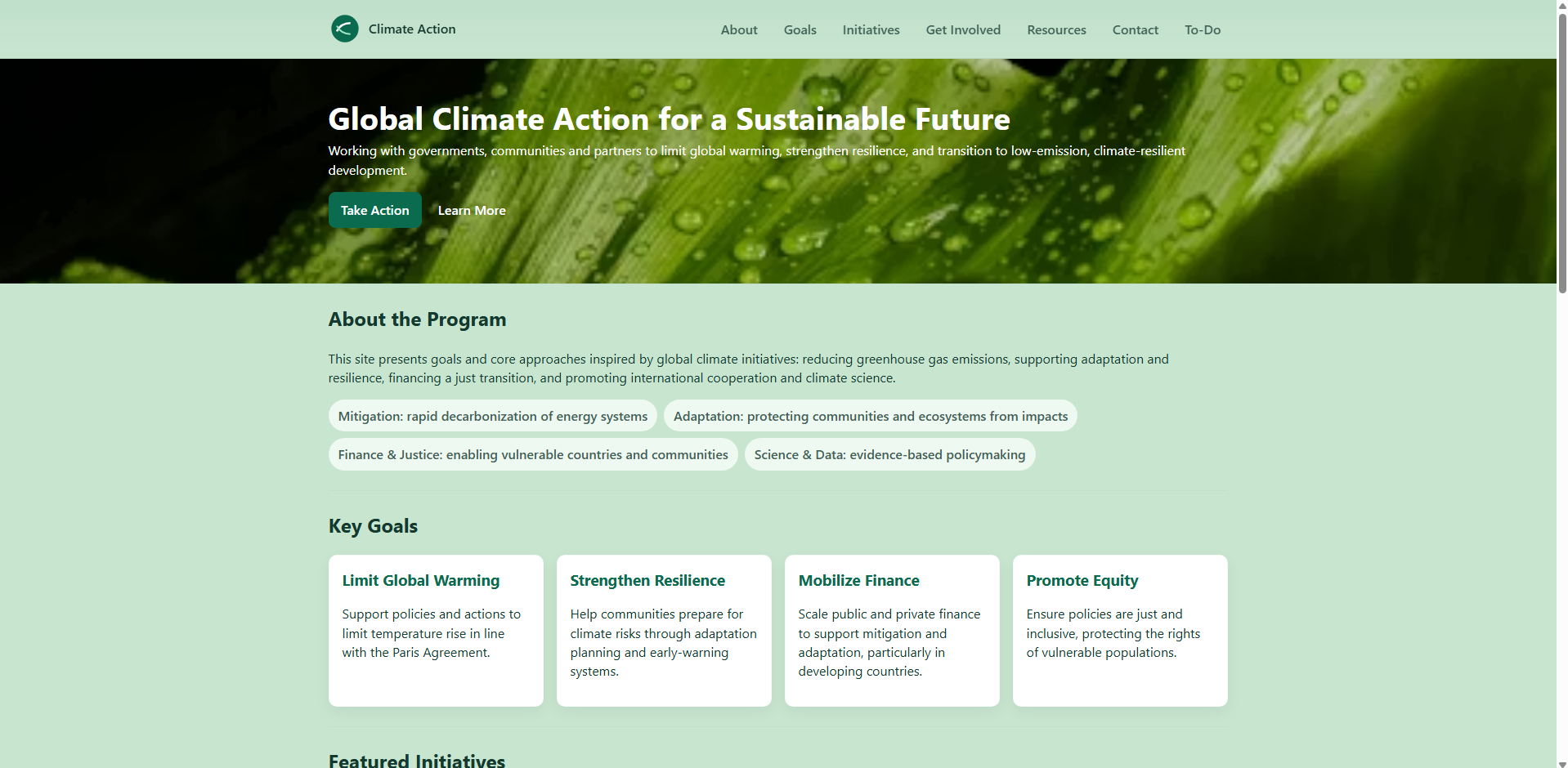
This team developed a comprehensive climate action framework that addresses mitigation, adaptation, equity, and science-driven policy to confront global climate change. Their work highlights coordinated efforts across governments, communities, and institutions to reduce emissions, strengthen resilience, and support a just transition for vulnerable populations. By combining clear goals, measurable targets, and actionable pathways for engagement, they emphasize the collective responsibility required to build a sustainable, climate-resilient future.
Winners (Global Hackathon 🌍)
First Place Winners: BreatheSpace
Students: David Aje, Ashley Hassell, Mary Akanki, Mircea Savan Bucurestian
This team won first place for addressing student mental health with an accessible, student-built solution. Their prototype offers instant, free support through AI-powered check-ins, journaling, and crisis resources, tackling long counselling waitlists and high therapy costs. Using modern web technologies, they created a clean, intuitive, and visually appealing website aligned with global goals for health and education.
Third Place Winners: PathMatch
Students: Jayden Abraham, Violet Cole, Marleny Rivera, Akshara Harkar
This team created a career-matching platform focused on helping job seekers move from uncertainty to stability and purpose. Their solution uses a quick, easy-to-use aptitude assessment to identify individual strengths and match users with stable, well-paying roles in real demand. By prioritizing clarity and accessibility, they provide direct guidance and confidence to help users stop struggling and start building long-term career success.
Second Place Winners: RecycleRight
Students: Sarang Menon, Jacob Madrid, Jessica Tu, Hazim Mohammed
This team developed a sustainability-focused solution to reduce recyclable waste ending up in landfills. Their platform simplifies recycling by helping users correctly identify materials and understand proper disposal methods. By making recycling guidance clear and approachable, they empower individuals to adopt more sustainable everyday habits.
Fourth Place Winners:
FoodSwap
Students: Riddwiman Mondal, Deeptarka Mandal, Parnabha Das, Arin Dan
This team developed a hyperlocal food-sharing platform that addresses food waste while supporting communities facing food insecurity. Their solution connects individuals, restaurants, and businesses with excess food to nearby NGOs and community members through real-time, location-based listings. By combining verified pickups, expiry tracking, and an AI-powered food preservation assistant, they make responsible food redistribution simple, efficient, and accessible—helping turn surplus into meaningful local impact.
Fifth Place Winners:
Aqua Drop
Students: Moses Alfred, Oliva Mukherjee, Sanatan Mandal, Nabasrita Saha
This team designed a zero-cost irrigation system that tackles freshwater scarcity by rethinking how water reaches plant roots. Using discarded PET bottles and the principles of capillary action, their solution delivers water directly to the root zone only when soil moisture drops—minimizing waste and maximizing efficiency. Through lab validation and real-world deployment in school gardens, they demonstrate a scalable, sustainable approach aligned with SDG 6, with clear potential to empower farmers facing increasing water stress.
Seventh Place Winners:
Mission Zero Hunger
Students: Aditya Nandi, Soumak Mukherjee, Devasmit Tewari, Ayush Roy
This team focused on the global challenge of hunger by highlighting its root causes, far-reaching impacts, and practical pathways to change. Their work connects food insecurity to issues such as poverty, climate change, and food waste, while emphasizing solutions centered on sustainable farming, improved distribution, and community and NGO support. By grounding their approach in the UN’s Zero Hunger goal, they reinforce the importance of collective action to build a more food-secure future.
Sixth Place Winners:
Climate Action
Students: Soham Gupta, Adrija Dey, Rahena Parvin Sk
This team developed a comprehensive climate action framework that addresses mitigation, adaptation, equity, and science-driven policy to confront global climate change. Their work highlights coordinated efforts across governments, communities, and institutions to reduce emissions, strengthen resilience, and support a just transition for vulnerable populations. By combining clear goals, measurable targets, and actionable pathways for engagement, they emphasize the collective responsibility required to build a sustainable, climate-resilient future.